
If you’re interested in driving a tractor trailer professionally, one of the first requirements you’ll encounter is obtaining a Class A Commercial Driver’s License (CDL). Tractor trailer training programs are specifically designed to prepare students for the skills, knowledge, and licensing requirements needed to operate large combination vehicles safely and legally.
Whether you’re beginning a new career in trucking or exploring your options within the transportation industry, understanding why a Class A CDL is required can help you make informed decisions about your training and future opportunities. At Phoenix Truck Driving School, students receive hands-on instruction that prepares them for real-world trucking careers while meeting federal and state CDL standards.
What Is a Class A CDL?
A Class A CDL is the license required to operate combination vehicles with a Gross Combination Weight Rating (GCWR) of 26,001 pounds or more, provided the vehicle being towed exceeds 10,000 pounds.
This license category covers many of the vehicles used in the trucking industry, including:
- Tractor trailers
- Semi-trucks
- Flatbed trucks with trailers
- Tanker trucks
- Livestock carriers
- Refrigerated freight trucks
- Intermodal freight vehicles
Because these vehicles are larger and more complex to operate than standard passenger vehicles, drivers must demonstrate advanced knowledge and driving skills before receiving a Class A CDL.
Why Does Tractor Trailer Training Require a Class A CDL?
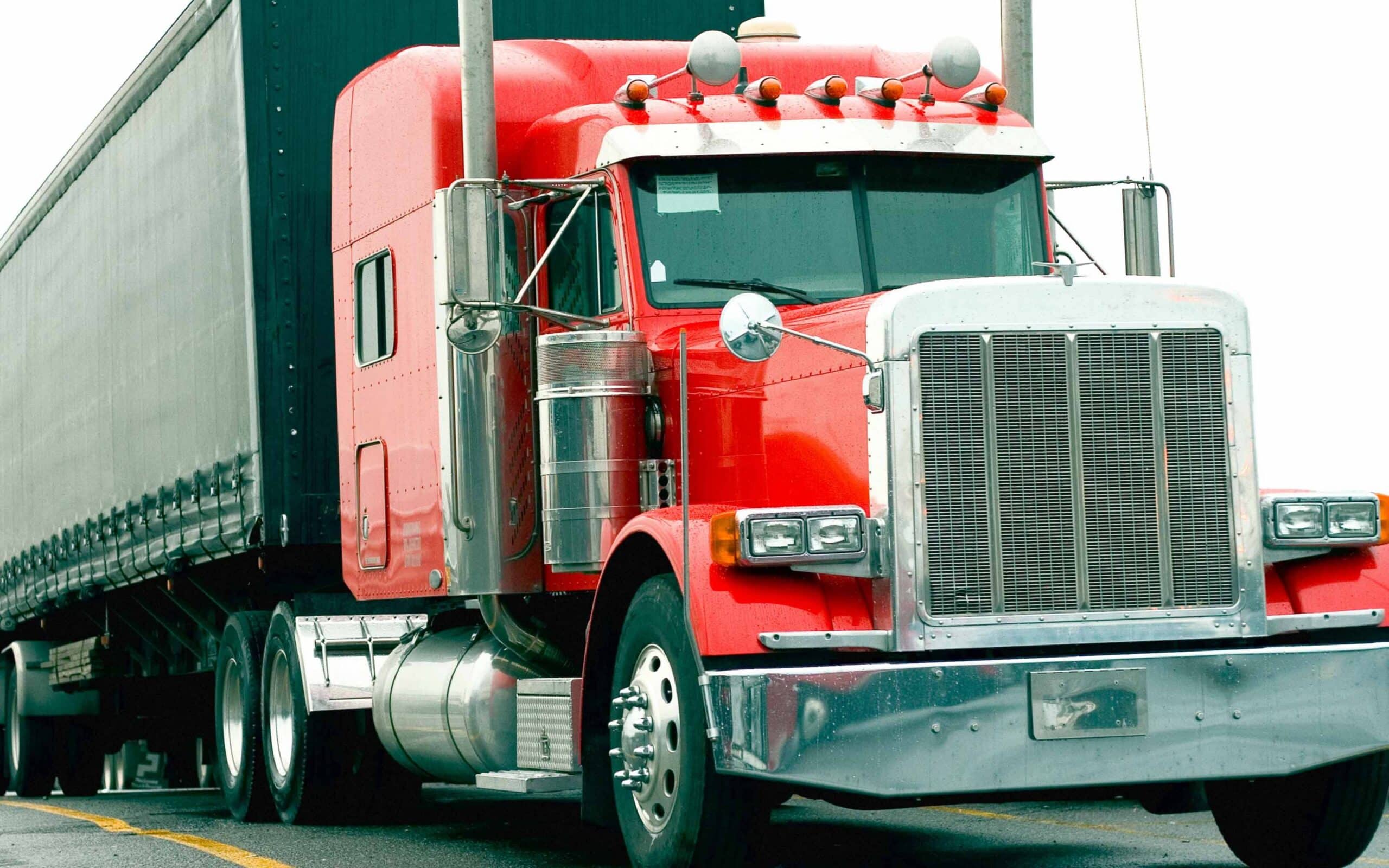
Tractor trailers are classified as combination vehicles, meaning they consist of a power unit and one or more trailers. Due to their size, weight, and handling characteristics, federal regulations require drivers to hold a Class A CDL before operating them commercially.
Tractor trailer training focuses on teaching students the specific skills needed to safely manage these vehicles, including:
- Vehicle inspections
- Coupling and uncoupling trailers
- Backing maneuvers
- Turning and lane management
- Highway driving
- Defensive driving techniques
- Cargo awareness and safety procedures
The Class A CDL serves as proof that a driver has successfully demonstrated competency in these critical areas.
What Federal CDL Regulations Require for Tractor Trailer Drivers
The Federal Motor Carrier Safety Administration (FMCSA) establishes licensing standards for commercial drivers operating combination vehicles. Because tractor trailers often exceed 26,001 pounds in gross combination weight and tow trailers weighing more than 10,000 pounds, drivers must obtain a Class A CDL before operating these vehicles commercially.
In addition to earning a Class A CDL, new drivers must complete Entry-Level Driver Training (ELDT) requirements before taking their CDL skills test. These standards ensure drivers receive proper instruction in vehicle operation, safety procedures, inspections, and roadway awareness before entering the workforce.
Professional tractor trailer training programs help students meet these federal requirements while developing the practical skills needed to operate commercial vehicles safely.
What Vehicles Can You Drive With a Class A CDL?
One of the biggest advantages of earning a Class A CDL is the wide range of driving opportunities it opens.
With the proper endorsements, drivers may qualify to operate:
| Vehicle Type | Class A CDL Required |
|---|---|
| Tractor Trailer | Yes |
| Semi Truck | Yes |
| Tanker Truck | Yes |
| Flatbed Truck | Yes |
| Livestock Carrier | Yes |
| Double and Triple Trailers | Yes (with endorsement) |
| Straight Truck | Often covered by Class A |
| Dump Truck | In some situations |
Because the Class A CDL provides access to the broadest range of commercial driving positions, many employers prefer candidates who hold this license.
What Skills Do Students Learn During Tractor Trailer Driver Training?
Professional tractor trailer driver training goes beyond simply learning how to drive a large vehicle. Students develop practical skills that help them succeed both during the CDL testing process and throughout their careers.
Key training areas often include:
Pre-Trip Inspections
Drivers must learn how to inspect critical vehicle systems before operating a tractor trailer.
These inspections typically include:
- Brakes
- Tires
- Suspension systems
- Lighting
- Coupling devices
- Emergency equipment
Backing Maneuvers
Backing a tractor trailer is one of the most challenging skills for new drivers.
Training programs often include:
- Straight-line backing
- Offset backing
- Alley docking
- Parallel parking exercises
Road Driving Skills
Students gain experience driving in various traffic and roadway conditions while learning how to:
- Shift gears properly
- Control speed on grades
- Maintain safe following distances
- Navigate turns safely
- Merge onto highways
Safety Procedures
Safety remains a major focus throughout Class A CDL training programs.
Students learn:
- Defensive driving techniques
- Hazard recognition
- Hours-of-service regulations
- Accident prevention strategies
- Cargo safety requirements
How Is a Class A CDL Different From a Class B CDL?
Many prospective drivers wonder whether they need a Class A or Class B CDL.
The answer depends largely on the type of vehicle they plan to operate.
| Feature | Class A CDL | Class B CDL |
|---|---|---|
| Tractor Trailers | Yes | No |
| Combination Vehicles | Yes | Limited |
| Semi Trucks | Yes | No |
| Straight Trucks | Yes | Yes |
| Dump Trucks | Often | Yes |
| Career Opportunities | Broadest Range | More Limited |
| Long-Haul Trucking Jobs | Yes | Rare |
For individuals pursuing careers in over-the-road trucking, freight transportation, or tractor trailer operations, a Class A CDL is typically required.
Why Is Professional Tractor Trailer Training Important?
While some individuals assume they can learn trucking skills informally, professional training provides structured instruction that helps drivers build confidence and competence.
Benefits of professional training include:
- Hands-on driving experience
- Familiarity with CDL testing procedures
- Guidance from experienced instructors
- Exposure to industry best practices
- Improved safety awareness
- Better job readiness
Employers often value candidates who have completed formal tractor trailer training because they have already developed many of the foundational skills needed for the job.
What Career Opportunities Are Available After Earning a Class A CDL?
The trucking industry offers a variety of career paths for drivers with a Class A CDL.
Common opportunities include:
- Long-haul trucking
- Regional trucking
- Dedicated route driving
- Flatbed transportation
- Refrigerated freight hauling
- Tanker operations
- Specialized freight transportation
As drivers gain experience, they may also qualify for positions with greater responsibility, specialized endorsements, or higher earning potential.
Why Choose Phoenix Truck Driving School for Class A CDL Training?
Choosing the right truck driving school is an important step toward achieving your career goals.
At Phoenix Truck Driving School, students receive comprehensive Class A CDL training designed to prepare them for real-world driving situations and CDL testing requirements. Through hands-on instruction, experienced guidance, and practical driving exercises, students develop the skills needed to operate tractor trailers safely and professionally.
Whether you’re looking to enter the trucking industry for the first time or transition into a new career, quality training can help build a strong foundation for long-term success.
Start Your Journey Toward a Truck Driving Career
A Class A CDL is more than just a license; it’s the gateway to operating tractor trailers and pursuing a wide range of opportunities in the trucking industry. Professional tractor trailer training helps students gain the knowledge, confidence, and practical skills necessary to succeed on the road.
By understanding why a Class A CDL is required and investing in quality training, aspiring drivers can position themselves for rewarding careers in one of the nation’s most essential industries.
If you’re ready to take the first step toward becoming a professional truck driver, Phoenix Truck Driving School is here to help. Our experienced instructors provide hands-on Class A CDL training designed to prepare students for both the CDL exam and real-world driving situations. Contact us today to learn more about our training programs, enrollment options, and how we can help you start your trucking career with confidence.
Frequently Asked Questions
Do I need a Class A CDL to drive a tractor trailer?
Yes. Most tractor trailers are classified as combination vehicles, which require a Class A CDL under federal regulations.
How long does tractor trailer training take?
Training length varies by program, but many Class A CDL training programs can be completed in several weeks, depending on scheduling and state requirements.
What is included in tractor trailer driver training?
Training typically includes vehicle inspections, backing maneuvers, road driving, safety procedures, and preparation for CDL testing.
Can I drive other commercial vehicles with a Class A CDL?
Yes. A Class A CDL generally allows drivers to operate a wider range of commercial vehicles than a Class B CDL, depending on endorsements.
Is tractor trailer training difficult?
Like any professional skill, it requires practice and commitment. Quality training programs help students build confidence through hands-on instruction and guided practice.
Are truck drivers in demand?
The trucking industry continues to rely on qualified drivers to transport goods across the country, making CDL training a valuable pathway into transportation careers.