Tractor Trailer Training: Why You Need a Class A CDL

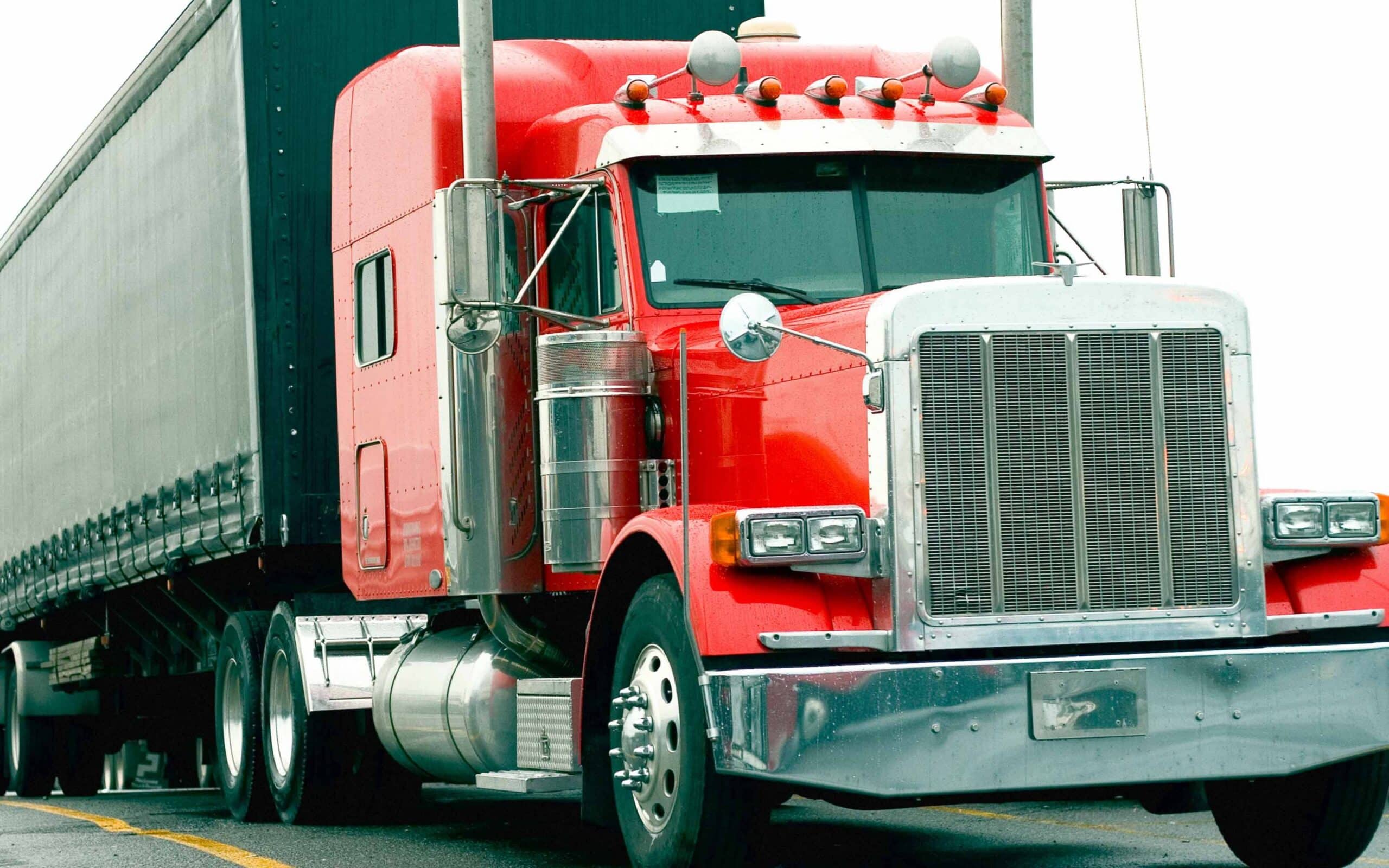
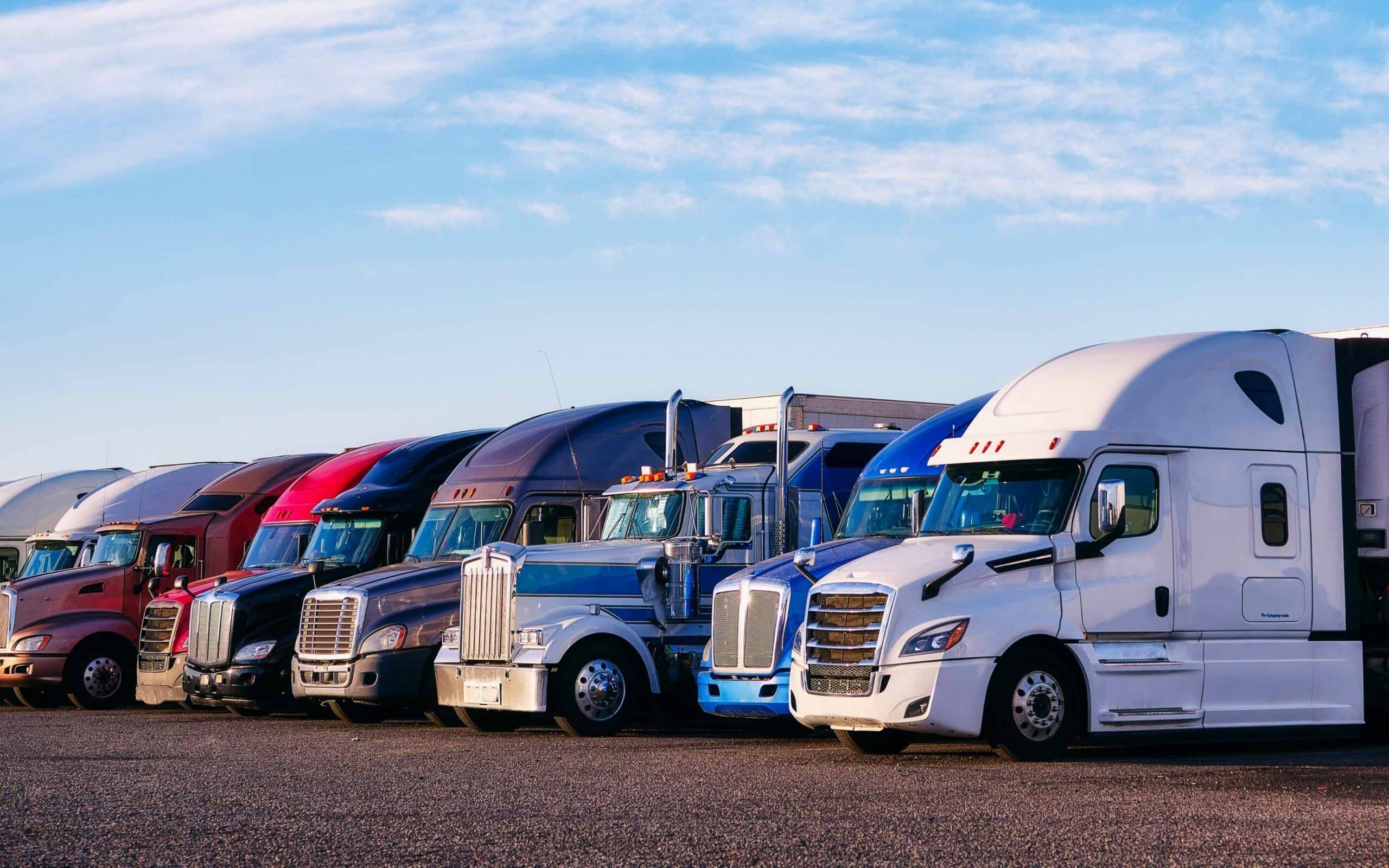
If you’re interested in driving a tractor trailer professionally, one of the first requirements you’ll encounter is obtaining a Class A Commercial Driver’s License (CDL). Tractor trailer training programs are specifically designed to prepare students for the skills, knowledge, and licensing requirements needed to operate large combination vehicles safely and legally.

Whether you’re beginning a new career in trucking or exploring your options within the transportation industry, understanding why a Class A CDL is required can help you make informed decisions about your training and future opportunities. At Phoenix Truck Driving School, students receive hands-on instruction that prepares them for real-world trucking careers while meeting federal and state CDL standards.

What Is a Class A CDL?

A Class A CDL is the license required to operate combination vehicles with a Gross Combination Weight Rating (GCWR) of 26,001 pounds or more, provided the vehicle being towed exceeds 10,000 pounds.

This license category covers many of the vehicles used in the trucking industry, including:

  • Tractor trailers
  • Semi-trucks
  • Flatbed trucks with trailers
  • Tanker trucks
  • Livestock carriers
  • Refrigerated freight trucks
  • Intermodal freight vehicles

Because these vehicles are larger and more complex to operate than standard passenger vehicles, drivers must demonstrate advanced knowledge and driving skills before receiving a Class A CDL.

Why Does Tractor Trailer Training Require a Class A CDL?

Tractor trailers are classified as combination vehicles, meaning they consist of a power unit and one or more trailers. Due to their size, weight, and handling characteristics, federal regulations require drivers to hold a Class A CDL before operating them commercially.

Tractor trailer training focuses on teaching students the specific skills needed to safely manage these vehicles, including:

  • Vehicle inspections
  • Coupling and uncoupling trailers
  • Backing maneuvers
  • Turning and lane management
  • Highway driving
  • Defensive driving techniques
  • Cargo awareness and safety procedures

The Class A CDL serves as proof that a driver has successfully demonstrated competency in these critical areas.

What Federal CDL Regulations Require for Tractor Trailer Drivers

The Federal Motor Carrier Safety Administration (FMCSA) establishes licensing standards for commercial drivers operating combination vehicles. Because tractor trailers often exceed 26,001 pounds in gross combination weight and tow trailers weighing more than 10,000 pounds, drivers must obtain a Class A CDL before operating these vehicles commercially.

In addition to earning a Class A CDL, new drivers must complete Entry-Level Driver Training (ELDT) requirements before taking their CDL skills test. These standards ensure drivers receive proper instruction in vehicle operation, safety procedures, inspections, and roadway awareness before entering the workforce.

Professional tractor trailer training programs help students meet these federal requirements while developing the practical skills needed to operate commercial vehicles safely.

What Vehicles Can You Drive With a Class A CDL?

One of the biggest advantages of earning a Class A CDL is the wide range of driving opportunities it opens.

With the proper endorsements, drivers may qualify to operate:

Vehicle Type Class A CDL Required
Tractor Trailer Yes
Semi Truck Yes
Tanker Truck Yes
Flatbed Truck Yes
Livestock Carrier Yes
Double and Triple Trailers Yes (with endorsement)
Straight Truck Often covered by Class A
Dump Truck In some situations

Because the Class A CDL provides access to the broadest range of commercial driving positions, many employers prefer candidates who hold this license.

What Skills Do Students Learn During Tractor Trailer Driver Training?

Professional tractor trailer driver training goes beyond simply learning how to drive a large vehicle. Students develop practical skills that help them succeed both during the CDL testing process and throughout their careers.

Key training areas often include:

Pre-Trip Inspections

Drivers must learn how to inspect critical vehicle systems before operating a tractor trailer.

These inspections typically include:

  • Brakes
  • Tires
  • Suspension systems
  • Lighting
  • Coupling devices
  • Emergency equipment

Backing Maneuvers

Backing a tractor trailer is one of the most challenging skills for new drivers.

Training programs often include:

  • Straight-line backing
  • Offset backing
  • Alley docking
  • Parallel parking exercises

Road Driving Skills

Students gain experience driving in various traffic and roadway conditions while learning how to:

  • Shift gears properly
  • Control speed on grades
  • Maintain safe following distances
  • Navigate turns safely
  • Merge onto highways

Safety Procedures

Safety remains a major focus throughout Class A CDL training programs.

Students learn:

  • Defensive driving techniques
  • Hazard recognition
  • Hours-of-service regulations
  • Accident prevention strategies
  • Cargo safety requirements

How Is a Class A CDL Different From a Class B CDL?

Many prospective drivers wonder whether they need a Class A or Class B CDL.

The answer depends largely on the type of vehicle they plan to operate.

Feature Class A CDL Class B CDL
Tractor Trailers Yes No
Combination Vehicles Yes Limited
Semi Trucks Yes No
Straight Trucks Yes Yes
Dump Trucks Often Yes
Career Opportunities Broadest Range More Limited
Long-Haul Trucking Jobs Yes Rare

For individuals pursuing careers in over-the-road trucking, freight transportation, or tractor trailer operations, a Class A CDL is typically required.

Why Is Professional Tractor Trailer Training Important?

While some individuals assume they can learn trucking skills informally, professional training provides structured instruction that helps drivers build confidence and competence.

Benefits of professional training include:

  • Hands-on driving experience
  • Familiarity with CDL testing procedures
  • Guidance from experienced instructors
  • Exposure to industry best practices
  • Improved safety awareness
  • Better job readiness

Employers often value candidates who have completed formal tractor trailer training because they have already developed many of the foundational skills needed for the job.

What Career Opportunities Are Available After Earning a Class A CDL?

The trucking industry offers a variety of career paths for drivers with a Class A CDL.

Common opportunities include:

  • Long-haul trucking
  • Regional trucking
  • Dedicated route driving
  • Flatbed transportation
  • Refrigerated freight hauling
  • Tanker operations
  • Specialized freight transportation

As drivers gain experience, they may also qualify for positions with greater responsibility, specialized endorsements, or higher earning potential.

Why Choose Phoenix Truck Driving School for Class A CDL Training?

Choosing the right truck driving school is an important step toward achieving your career goals.

At Phoenix Truck Driving School, students receive comprehensive Class A CDL training designed to prepare them for real-world driving situations and CDL testing requirements. Through hands-on instruction, experienced guidance, and practical driving exercises, students develop the skills needed to operate tractor trailers safely and professionally.

Whether you’re looking to enter the trucking industry for the first time or transition into a new career, quality training can help build a strong foundation for long-term success.

Start Your Journey Toward a Truck Driving Career

A Class A CDL is more than just a license; it’s the gateway to operating tractor trailers and pursuing a wide range of opportunities in the trucking industry. Professional tractor trailer training helps students gain the knowledge, confidence, and practical skills necessary to succeed on the road.

By understanding why a Class A CDL is required and investing in quality training, aspiring drivers can position themselves for rewarding careers in one of the nation’s most essential industries.

If you’re ready to take the first step toward becoming a professional truck driver, Phoenix Truck Driving School is here to help. Our experienced instructors provide hands-on Class A CDL training designed to prepare students for both the CDL exam and real-world driving situations. Contact us today to learn more about our training programs, enrollment options, and how we can help you start your trucking career with confidence.

Frequently Asked Questions

Do I need a Class A CDL to drive a tractor trailer?

Yes. Most tractor trailers are classified as combination vehicles, which require a Class A CDL under federal regulations.

How long does tractor trailer training take?

Training length varies by program, but many Class A CDL training programs can be completed in several weeks, depending on scheduling and state requirements.

What is included in tractor trailer driver training?

Training typically includes vehicle inspections, backing maneuvers, road driving, safety procedures, and preparation for CDL testing.

Can I drive other commercial vehicles with a Class A CDL?

Yes. A Class A CDL generally allows drivers to operate a wider range of commercial vehicles than a Class B CDL, depending on endorsements.

Is tractor trailer training difficult?

Like any professional skill, it requires practice and commitment. Quality training programs help students build confidence through hands-on instruction and guided practice.

Are truck drivers in demand?

The trucking industry continues to rely on qualified drivers to transport goods across the country, making CDL training a valuable pathway into transportation careers.

Online vs In-Person CDL Driver Training: Which Option Is Best for Your Career?

If you’re considering a career in trucking, one of the first decisions you’ll face is choosing between online and in-person CDL driver training. With more educational programs offering digital learning options, many prospective drivers wonder whether online training can provide the same preparation as traditional classroom instruction.

The short answer is that both options have benefits, but in-person training remains essential for anyone pursuing a Commercial Driver’s License (CDL). While online coursework can help students learn regulations, safety procedures, and test preparation materials, hands-on experience behind the wheel is required to develop the skills needed to operate a commercial vehicle safely.

At Phoenix Truck Driving School, students receive the hands-on training, classroom education, and real-world driving experience needed to build confidence and prepare for a successful career in the trucking industry.

Understanding the differences between online and in-person training can help you choose the best driver training course for your goals.

What Is CDL Driver Training?

CDL driver training is a structured educational program designed to prepare students for obtaining a Commercial Driver’s License. These programs combine classroom instruction with practical driving experience to ensure students understand both the rules of the road and the skills required to operate commercial vehicles.

Most CDL driver training programs cover:

  • Federal and state trucking regulations
  • Vehicle inspection procedures
  • Safety protocols
  • Defensive driving techniques
  • Backing and maneuvering skills
  • Highway and city driving
  • CDL exam preparation

Successful completion of training helps students meet licensing requirements and prepares them for entry-level trucking positions.

How Does Online CDL Driver Training Work?

Online CDL driver training focuses primarily on the classroom portion of CDL education. Students access lessons through a computer or mobile device and complete coursework at their own pace.

Online training often includes:

  • Video lessons
  • Interactive learning modules
  • Practice exams
  • Safety education
  • CDL permit preparation
  • Federal Motor Carrier Safety Regulations training

This format can be convenient for individuals who work full-time or have family obligations. Students can study when their schedules allow, reducing the need to attend traditional classroom sessions.

However, online training alone cannot replace hands-on driving instruction. Federal Entry-Level Driver Training (ELDT) requirements still require practical training and skills assessments before obtaining a CDL.

Why Is In-Person CDL Driver Training Important?

In-person CDL driver training provides the real-world experience that commercial drivers need before entering the workforce.

Operating a tractor-trailer requires more than understanding regulations. Drivers must develop muscle memory, vehicle awareness, and confidence behind the wheel. These skills can only be gained through supervised driving practice.

In-person training allows students to:

  • Practice pre-trip inspections
  • Learn proper backing techniques
  • Navigate turns and intersections
  • Operate vehicles in traffic
  • Develop shifting and braking skills
  • Receive immediate instructor feedback

Experienced instructors can identify mistakes and correct them before they become habits, helping students become safer and more competent drivers.

What Are the Advantages of Online CDL Driver Training?

Online learning offers several benefits for students who need flexibility.

Flexible Scheduling

Students can complete coursework around work and family commitments.

Self-Paced Learning

Individuals can spend extra time reviewing difficult topics and move quickly through material they already understand.

Convenient Access

Training materials are available from almost anywhere with an internet connection.

Permit Test Preparation

Many online programs provide study tools that help students prepare for the written CDL permit exam.

For students seeking convenience, online education can be a valuable supplement to hands-on training.

What Are the Advantages of In-Person CDL Driver Training?

While online learning offers convenience, in-person instruction provides several benefits that are difficult to replicate virtually.

Hands-On Experience

Students gain real-world experience operating commercial vehicles in a controlled environment.

Personalized Instruction

Instructors can provide immediate guidance and answer questions as they arise.

Realistic Training Scenarios

Students encounter situations similar to what they will face on the job, including traffic conditions, weather challenges, and backing maneuvers.

Greater Confidence

Practical experience helps students feel more comfortable during CDL testing and future employment.

For most aspiring truck drivers, hands-on training remains one of the most important parts of the learning process.

Can You Earn a CDL Through Online Training Alone?

No. While portions of CDL education may be completed online, students cannot obtain a CDL through online training alone.

Federal regulations require behind-the-wheel instruction and skills evaluations before students can qualify for CDL testing.

This means any student searching for truck driver training near me should ensure the program includes practical driving experience in addition to classroom education.

A reputable school will provide both theoretical instruction and hands-on training to help students meet licensing requirements.

Which Driver Training Course Is Best for New Truck Drivers?

For most beginners, a combination of online learning and in-person instruction offers the best results.

Online coursework can help students build foundational knowledge and prepare for written exams. In-person training then allows students to apply that knowledge while developing essential driving skills.

A comprehensive driver training course should include:

  • Classroom education
  • CDL permit preparation
  • Hands-on vehicle operation
  • Safety training
  • Skills testing preparation
  • Career support services

Programs that combine both learning methods often provide the most complete training experience.

How Can You Choose the Right CDL Driver Training Program?

Choosing a CDL training program involves more than comparing costs. Prospective students should evaluate several factors before enrolling.

Consider the following:

  • Instructor experience
  • Amount of behind-the-wheel training
  • Student-to-instructor ratio
  • Program length
  • Schedule flexibility
  • Job placement assistance
  • Equipment quality
  • Graduate success rates

Students researching truck driver training near me should also visit schools in person whenever possible. Seeing the facilities and equipment firsthand can help ensure the program meets expectations.

Final Thoughts

When comparing online and in-person CDL driver training, the best option often combines both approaches. Online learning offers convenience and flexibility, while in-person instruction provides the hands-on experience necessary for developing safe driving skills.

Because commercial driving requires practical experience, aspiring drivers should prioritize programs that offer substantial behind-the-wheel training alongside classroom education. A comprehensive driver training course can help students build confidence, meet licensing requirements, and prepare for a successful career in the trucking industry.

For individuals ready to pursue a trucking career, choosing a quality CDL driver training program is one of the most important investments they can make in their future. If you’re ready to take the next step toward earning your CDL, contact us today to learn more about our training programs, flexible scheduling options, and career-focused instruction.

Frequently Asked Questions

Can I get my CDL entirely online?

No. Federal regulations require hands-on training and driving evaluations before you can obtain a Commercial Driver’s License.

Is online CDL driver training worth it?

Online training can be valuable for learning regulations, safety procedures, and preparing for written exams. However, it must be combined with practical driving instruction.

How long does CDL driver training usually take?

Program length varies by school and schedule. Many full-time programs can be completed in several weeks, while part-time options may take longer.

What should I look for in truck driver training near me?

Look for experienced instructors, quality equipment, sufficient driving hours, flexible scheduling, and job placement support.

Why is behind-the-wheel training important?

Behind-the-wheel training allows students to develop the practical skills and confidence needed to operate commercial vehicles safely and successfully.

How Much Does a Driving Academy Cost for CDL Training?

For many aspiring truck drivers, one of the first questions is simple: how much does CDL training cost? Understanding the price of a truck driving academy can help students prepare financially while choosing the right training program for their career goals.

CDL training costs vary depending on the school, program structure, location, and type of license being pursued. Some programs focus on fast-track training, while others provide flexible schedules designed for working adults. Knowing what influences pricing can help students avoid unexpected expenses and make more informed decisions before enrolling.

What Is Included in CDL Training Costs?

Most truck driving academy programs include a combination of classroom education and hands-on driving instruction. Tuition generally covers the core training needed to prepare students for the CDL exam and entry-level trucking positions.

Common expenses may include:

  • Classroom instruction
  • Behind-the-wheel truck driving classes
  • Training equipment usage
  • CDL permit preparation
  • Skills testing preparation
  • Safety training
  • Pre-trip inspection instruction

Some schools may also include study materials, while others charge separately for books, licensing fees, and testing costs.

How Much Does a Truck Driving Academy Typically Cost?

The average cost of CDL training often ranges between $4,000 and $10,000 depending on the program and region. Accelerated programs, private schools, and specialized endorsement courses may increase overall costs.

Several factors affect tuition pricing, including:

  • Program length
  • Instructor experience
  • Equipment quality
  • Location
  • Class size
  • Job placement services
  • Endorsement training options

Students searching for a truck driving academy near them should compare more than price alone. Lower-cost programs may not always provide the same amount of driving time or career support.

Why Does the CDL Course Timeline Affect Pricing?

One major factor influencing tuition is the CDL course timeline. Shorter, accelerated programs may cost more upfront because they involve intensive scheduling and extended daily instruction.

Longer programs sometimes offer:

  • Flexible evening schedules
  • Part-time attendance
  • More gradual learning
  • Additional practice time

Typical CDL course timelines include:

  • Full-time programs: 3 to 6 weeks
  • Part-time programs: 2 to 4 months
  • Refresher courses: Several days to 2 weeks

Students should choose a schedule that balances affordability, learning style, and career goals.

What Additional CDL Training Costs Should Students Expect?

In addition to tuition, students may need to budget for extra expenses throughout the training process.

Additional costs can include:

  • CDL permit fees
  • DOT physical exams
  • Drug screening
  • Licensing fees
  • Endorsement testing
  • Transportation expenses
  • Meals and lodging if traveling for training

Understanding these costs early can help students create a more realistic training budget.

Are Financing Options Available for Truck Driving Classes?

Many truck driving academies understand that students may need financial assistance. Because of this, schools often provide flexible financing solutions to help reduce upfront costs.

Possible financing options include:

  • Monthly payment plans
  • Workforce development assistance
  • Military education benefits
  • Employer-sponsored tuition reimbursement
  • Scholarships and grants
  • Private student financing

Students should ask each school about available programs before enrolling.

Is CDL Training Worth the Investment?

For many drivers, CDL training can lead to long-term career opportunities in an industry that continues to need qualified commercial drivers. While tuition costs may seem significant initially, many graduates find the investment worthwhile because of employment opportunities and earning potential.

Benefits of professional truck driving classes include:

  • Structured learning
  • Hands-on road experience
  • Safety-focused instruction
  • CDL test preparation
  • Access to employer networks
  • Improved job readiness

Choosing an established truck driving academy can help students gain confidence before entering the workforce.

How Can Students Compare CDL Schools Effectively?

Comparing schools carefully can help students avoid programs that prioritize enrollment numbers over quality instruction.

Before enrolling, students should ask:

  • How much driving time is included?
  • Are instructors experienced commercial drivers?
  • Does the school offer job placement assistance?
  • What is the CDL exam pass rate?
  • Are flexible schedules available?
  • What equipment is used during training?

These questions can help prospective students identify schools that provide strong educational value.

What Makes Phoenix Truck Driving School Different?

Phoenix Truck Driving School offers hands-on CDL training programs designed to help students prepare for careers in the trucking industry. With locations across Arizona and Texas, students receive practical instruction from experienced trainers focused on real-world driving preparation.

Programs emphasize:

  • Class A CDL training
  • Flexible scheduling options
  • Hands-on driving experience
  • Career placement support
  • Military-friendly opportunities

For students researching truck driving classes and CDL training options, choosing a school with experienced instructors and structured training can make a major difference in long-term success.

How Technology and Safety Training Add Value to CDL Programs

Modern truck driving academies increasingly incorporate technology-based learning tools and advanced safety education into their programs. While these additions may slightly impact tuition costs, they can provide students with valuable experience that aligns with current industry expectations.

Many truck driving classes now include instruction on:

  • Electronic logging devices (ELDs)
  • GPS and route planning systems
  • Digital inspection reporting
  • Fuel efficiency practices
  • Defensive driving technology
  • DOT compliance procedures

Students who understand modern trucking technology may feel more prepared when entering today’s commercial driving workforce. As transportation companies continue adopting digital systems, graduates with technology familiarity may have an advantage during hiring and onboarding processes.

About Phoenix Truck Driving School

Phoenix Truck Driving School provides hands-on CDL training programs for students preparing to enter the commercial trucking industry. With training locations across Arizona and Texas, the school focuses on practical Class A CDL instruction, safety education, and real-world driving preparation designed to help students build confidence behind the wheel.

Training programs are led by experienced CDL instructors who understand current commercial driving regulations, Department of Transportation safety standards, and industry expectations for entry-level drivers. Students receive a combination of classroom education and behind-the-wheel experience to prepare for CDL testing and professional driving careers.

Phoenix Truck Driving School’s training approach emphasizes:

  • CDL safety and compliance education
  • Real-world driving experience
  • Vehicle inspection procedures
  • Defensive driving practices
  • Commercial driving professionalism
  • Career readiness and job placement support

The school also provides flexible scheduling options, military-friendly opportunities, and career pathway guidance for students pursuing long-term employment in the trucking industry.

As the demand for qualified commercial drivers continues across the United States, Phoenix Truck Driving School remains focused on helping students gain the technical knowledge, practical driving skills, and industry preparation needed for success in modern transportation careers.

Final Thoughts

The cost of attending a truck driving academy depends on several factors, including program length, location, and training quality. While tuition is an important consideration, students should also evaluate driving time, instructor experience, job placement support, and overall educational value.

Understanding the CDL course timeline, additional expenses, and financing opportunities can help future drivers make informed decisions about their training journey. Investing in quality truck driving classes can provide the skills and confidence needed for long-term success in the trucking industry.

Frequently Asked Questions

How much does CDL training usually cost?

Most CDL training programs range from $4,000 to $10,000, depending on the school, location, and program structure.

How long does a CDL course timeline usually last?

Most full-time CDL programs take between 3 and 6 weeks, while part-time programs may last several months.

Are financing options available for truck driving classes?

Many schools offer payment plans, scholarships, military benefits, and employer-sponsored tuition assistance.

What is included in truck driving academy tuition?

Tuition often includes classroom instruction, behind-the-wheel training, safety education, and CDL test preparation.

Is attending a truck driving academy worth it?

For many students, professional CDL training provides valuable driving experience, safety education, and improved job opportunities after graduation.

Best Truck Driving Academy Programs for New CDL Drivers

Starting a career in trucking begins with choosing the right CDL training program. For many first-time students, finding a truck driving academy that offers hands-on instruction, experienced trainers, and career support can make a major difference in long-term success.

The trucking industry continues to offer strong job opportunities across the United States. However, not all CDL schools provide the same level of education or real-world preparation. Understanding what separates a quality training program from the rest can help new drivers make a smarter investment in their future.

What Is a Truck Driving Academy?

A truck driving academy is a training school that prepares students to earn a Commercial Driver’s License, also known as a CDL. These programs combine classroom learning with behind-the-wheel driving experience to help students understand safety procedures, trucking regulations, vehicle inspections, and road skills.

Most academies focus on Class A CDL training, which allows drivers to operate tractor-trailers and other large commercial vehicles.

Students typically learn:

  • Pre-trip inspections
  • Backing and parking techniques
  • Highway driving
  • Defensive driving skills
  • Air brake systems
  • Federal trucking regulations
  • CDL test preparation

A quality driving academy truck driver training program should also help students feel confident operating a commercial vehicle in real-world conditions.

Why Choosing the Right Truck Driving Academy Matters

New CDL drivers often search online for a “truck driving academy near me” without fully understanding what to look for in a training program. While location is important, several other factors can impact the overall learning experience and future job opportunities.

The best truck driving academies focus on:

  • Hands-on driving time
  • Small instructor-to-student ratios
  • Experienced CDL instructors
  • Modern training equipment
  • Flexible class schedules
  • Job placement assistance
  • CDL test preparation

A school that prioritizes real driving experience can better prepare students for the challenges they may face after graduation.

What Should New CDL Drivers Look for in a Training Program?

Choosing the right CDL school starts with asking the right questions. Before enrolling, prospective students should compare multiple programs and understand what each academy offers.

Hands-On Driving Experience

One of the most important parts of CDL training is actual driving time. Students should look for programs that provide plenty of behind-the-wheel practice instead of relying heavily on simulators or observation.

Real driving experience helps students:

  • Build confidence
  • Improve vehicle control
  • Learn safe driving habits
  • Prepare for CDL testing

How Long Does Truck Driver Training Usually Take?

Training length can vary depending on the program and class schedule. Some accelerated programs may take only a few weeks, while part-time options can take longer.

Most new drivers can expect:

  • Full-time CDL programs: 3 to 6 weeks
  • Part-time CDL programs: Several months
  • Refresher courses: A few days to 2 weeks

Students should choose a schedule that fits their learning style and availability.

Are Truck Driving Academies Worth It?

For many students, attending a truck driving academy is one of the fastest ways to enter a stable career field. The trucking industry continues to need qualified drivers for local, regional, and long-haul positions.

Benefits of professional CDL training include:

  • Structured learning
  • Safety-focused instruction
  • Higher confidence during testing
  • Better job opportunities
  • Access to industry connections

Many employers also prefer hiring graduates from established CDL schools because they understand basic safety standards and industry expectations.

What Types of CDL Programs Are Available?

Different academies may offer several types of CDL training programs depending on students’ goals.

Class A CDL Training

Class A CDL programs prepare students to drive tractor-trailers, tanker trucks, and other combination vehicles. This is the most common option for new truck drivers.

CDL Endorsement Training

Some schools also provide endorsement training for:

  • Tanker vehicles
  • Hazmat transportation
  • Doubles and triples
  • Passenger vehicles

Additional endorsements can help drivers qualify for more specialized jobs.

Refresher Courses

Refresher training is designed for drivers returning to the industry or those wanting to improve specific driving skills.

How Important Is Job Placement Assistance?

Job placement support can be extremely valuable for first-time CDL drivers. Some academies work directly with trucking companies to help graduates find entry-level positions after completing training.

Students should ask whether the school offers:

  • Resume assistance
  • Interview preparation
  • Employer partnerships
  • Career counseling
  • Job referral programs

A strong support system can make the transition from training to employment much smoother.

What Makes Phoenix Truck Driving School Different?

Phoenix Truck Driving School provides hands-on CDL training programs designed to help students prepare for careers in the trucking industry. With locations in Arizona and Texas, students receive practical instruction from experienced trainers who understand the demands of commercial driving.

Programs focus on:

  • Class A CDL training
  • Real-world driving experience
  • Flexible scheduling
  • Military-friendly options
  • Career placement support

For new drivers looking for a truck driving academy near me, choosing a school that combines classroom education with practical road training can help build long-term confidence behind the wheel.

How Can Students Prepare Before Starting CDL School?

Preparing before the first day of training can help students feel more comfortable and ready to learn.

Helpful preparation tips include:

  • Studying the CDL manual
  • Getting enough rest
  • Practicing basic vehicle knowledge
  • Asking questions during orientation
  • Staying open to feedback from instructors

Students who stay engaged during training often develop stronger driving habits and perform better during CDL testing.

How Technology Is Changing Modern CDL Training Programs

Truck driving academies today are using more advanced technology than ever before to help students prepare for real-world commercial driving careers. While hands-on road training remains the foundation of CDL education, many schools now incorporate modern learning tools that improve safety awareness, vehicle familiarity, and driver confidence.

New CDL students may encounter technology such as:

  • Electronic logging device (ELD) training
  • Digital route planning systems
  • Backup camera and sensor awareness
  • GPS and fleet communication tools
  • Online CDL permit study resources
  • Simulator-assisted practice sessions

Understanding these systems is important because many commercial trucking companies now rely heavily on technology for daily operations, safety monitoring, and compliance reporting.

Modern driving academy truck driver training programs may also teach students how to:

  • Track driving hours legally
  • Manage electronic inspection reports
  • Understand fuel efficiency practices
  • Navigate changing weather and traffic conditions
  • Communicate with dispatch systems professionally

As the trucking industry continues evolving, employers increasingly value drivers who are comfortable using modern equipment and transportation technology. For students researching a truck driving academy near me, choosing a school that combines traditional driving instruction with updated technology training can provide an advantage when entering the workforce.

Final Thoughts

Finding the best truck driving academy involves more than choosing the closest location. New drivers should look for programs that provide hands-on experience, experienced instructors, and career support after graduation.

The right driving academy truck driver training program can help students build confidence, pass their CDL exam, and prepare for a long-term career in trucking. Taking the time to research programs carefully can make a significant difference in future success.

Frequently Asked Questions

What is the best truck driving academy for beginners?

The best academy for beginners is one that offers hands-on driving experience, experienced instructors, flexible scheduling, and CDL test preparation.

How long does it take to complete CDL training?

Most full-time CDL programs take between 3 and 6 weeks, depending on the training schedule and program structure.

What should I look for in a truck driving academy near me?

Students should look for driving time, instructor experience, safety training, equipment quality, and job placement assistance.

Is truck driver training difficult for new students?

CDL training can be challenging at first, but quality instruction and consistent practice help most students build confidence quickly.

Can CDL schools help graduates find jobs?

Many truck driving academies work with trucking companies and offer job placement assistance for graduates entering the industry.

Manual vs Automatic CDL Training: Which One Should You Choose?

Choosing between manual and automatic CDL training is one of the first big decisions new drivers face. In Phoenix, most truck driving schools offer hands-on training, but the type of transmission you learn on can directly impact your job opportunities, earning potential, and long-term flexibility.

This guide explains the differences clearly so you can make the best choice for your career.

What is the difference between manual and automatic CDL training?

The main difference comes down to how the truck operates and what you are legally allowed to drive after passing your CDL test.

  • Manual transmission trucks require shifting gears using a clutch
  • Automatic transmission trucks shift gears for you without a clutch, while automated manual systems can shift electronically but are still based on manual transmission design. 

While automatic trucks are easier to learn, the choice affects your CDL license restrictions.

What is an automated manual transmission (AMT) and why does it matter?

In addition to manual and automatic transmissions, some trucks use an automated manual transmission (AMT). This type of transmission functions like a manual but does not require a clutch pedal, as gear shifting is handled electronically.

While AMTs are not as widely used as standard manual or automatic transmissions, they are important to understand when it comes to CDL restrictions.

Drivers with an E restriction on their CDL are not allowed to operate vehicles that require manual gear control. This can include certain automated manual transmission trucks, depending on how the system is classified and operated.

Understanding this distinction helps ensure you are fully prepared for the types of equipment you may encounter in the industry.

How does manual vs automatic affect your CDL license?

If you take your CDL test in an automatic truck, your license will include an E restriction. This means you are not allowed to drive manual transmission commercial vehicles. It may also limit your ability to operate certain automated manual transmission trucks that require manual gear control. 

E restriction: automatic vehicles only

If you train and test in a manual truck, you can drive both manual and automatic vehicles, giving you full flexibility.

Why do many CDL schools in Phoenix train on manual trucks?

Many reputable CDL schools, including Phoenix Truck Driving School, emphasize manual transmission training because it prepares students for a wider range of job opportunities.

Benefits of learning on manual:

  • No CDL restrictions
  • More job options, especially with older fleets
  • Better skill development and vehicle control
  • Preferred by some employers

Even though more companies are switching to automatic trucks, manual skills are still valuable in the industry.

Is automatic CDL training easier for beginners?

Yes, automatic CDL training is generally easier, especially for beginners with no prior driving experience.

Advantages of automatic training:

  • No clutch or gear shifting
  • Faster learning curve
  • Less stressful during training
  • Easier to pass the road test

However, this convenience comes with limitations that can affect your job choices.

Which option gives you better job opportunities?

Manual CDL training typically leads to more job opportunities because it removes restrictions from your license.

Job flexibility comparison

Some fleets also use automated manual transmissions (AMTs). These systems shift electronically without a clutch but are still built on manual transmission design. In some cases, drivers with an E restriction may not be allowed to operate these vehicles, depending on how they are classified during testing.

Factor Manual CDL Training Automatic CDL Training
License Restrictions None E restriction applies
Job Opportunities Wider range Limited to automatic fleets
Employer Preference Often preferred Accepted but limited
Long-Term Flexibility High Moderate


In Phoenix, many local and regional carriers still operate manual trucks or prefer drivers who can handle both.

Does transmission type affect your salary?

Transmission type does not directly determine your salary, but it can influence the types of jobs you qualify for.

Drivers with manual training can:

  • Access more job openings
  • Qualify for specialized roles
  • Avoid being filtered out due to restrictions

This increased flexibility can lead to better-paying opportunities over time.

When should you choose automatic CDL training?

Automatic training may be the right choice if:

  • You want a faster and easier learning experience
  • You plan to work for companies that only use automatic trucks
  • You are not concerned about long-term flexibility

For some drivers, especially those entering the industry quickly, this can be a practical option.

When is manual CDL training the better choice?

Manual training is often the better investment if you want:

  • Maximum job flexibility
  • No CDL restrictions
  • Stronger driving skills
  • More control over your career path

Many experienced drivers recommend starting with manual training, even if you plan to drive automatic trucks later.

What do Phoenix employers prefer when hiring CDL drivers?

In the Phoenix job market, flexibility matters. Many employers prefer drivers who are not limited by license restrictions.

Hiring insight

Hiring Factor Manual Training Automatic Training
Driver Flexibility High Limited
Equipment Compatibility All trucks Automatic only
Hiring Preference Often preferred Situational
Long-Term Growth Strong Moderate


Drivers with manual CDL training are often seen as more versatile and job-ready.

Final thoughts: Which CDL training option is better?

If your goal is long-term success and flexibility, manual CDL training is usually the better choice. It keeps your options open and makes you more competitive in the job market.

Automatic training can help you get started faster, but it may limit your opportunities early in your career.

For most students in Phoenix, learning manual transmission provides the strongest foundation for a successful trucking career. Contact us today!

Frequently Asked Questions

What is the E restriction on a CDL license?

The E restriction means you are only allowed to drive automatic transmission commercial vehicles.

Is manual CDL training harder to learn?

Yes, it requires more coordination and practice, but it provides more long-term benefits.

Can I remove the automatic restriction later?

Yes, you can retake the CDL test using a manual truck to remove the restriction.

Do most trucking companies use automatic trucks now?

Many companies are transitioning to automatic fleets, but manual trucks are still widely used.

Which CDL training is best for beginners?

Automatic training is easier for beginners, but manual training offers better long-term flexibility.

CDL School vs Company-Sponsored Training: Which Is Better in Phoenix?

Choosing how to start your trucking career is one of the most important decisions you will make. In Phoenix, most new drivers choose between enrolling in a private CDL school or signing up for company-sponsored training. Each path can lead to a Commercial Driver’s License, but the experience, costs, and long-term outcomes can be very different.

This guide explains both options clearly so you can decide what fits your goals, budget, and timeline.

What is CDL school training in Phoenix, and how does it work?

CDL school training is a structured program offered by independent schools like Phoenix Truck Driving School. Students pay tuition, complete classroom instruction, practice on a driving range, and gain real-world road experience.

Most programs in Phoenix are designed to prepare you for both the written and road tests in just a few weeks.

Key features of CDL school training:

  • Fixed training schedule with hands-on instruction
  • Learning about manual transmission trucks in many programs
  • No employment contract after graduation
  • Freedom to choose your employer after getting your CDL

This option is ideal if you want control over your career path and flexibility in choosing local, regional, or long-haul jobs.

What is company-sponsored CDL training, and how does it work?

Company-sponsored training is offered by trucking companies that pay for your CDL training upfront. In exchange, you agree to work for them for a set period, usually 6 to 24 months.

While this may sound like a low-cost option, there are important trade-offs.

Key features of company-sponsored training:

  • Little to no upfront tuition cost
  • Training tied directly to one employer
  • Contractual obligation after licensing
  • Limited flexibility in job selection

In many cases, the cost of training is recovered through lower starting pay or contract terms if you leave early. However, some carriers also offer tuition reimbursement programs, especially for drivers who have completed training through an independent CDL school. 

What are the biggest differences between CDL school and company training?

Understanding the core differences helps you avoid costly mistakes and choose the right path from the start.

Side-by-side comparison

Factor CDL School Company-Sponsored Training
Upfront Cost Paid by student, financing available, often eligible for tuition reimbursement  Often covered by the company
Job Freedom Choose any employer Must work for the sponsoring company
Pay Potential Higher starting flexibility Often lower during contract
Contract No long-term obligation 6 to 24-month commitment
Training Focus Education-first Employment-first
Location Flexibility Stay local or go OTR Often assigned routes

Which option is better for long-term career growth?

If your goal is long-term earnings and flexibility, CDL school training often provides a strong foundation, especially for drivers who want flexibility and long-term career options. 

Graduates from independent schools can:

  • Compare job offers from multiple companies
  • Negotiate for better pay
  • Choose local routes or specialized endorsements

Company-sponsored drivers may start working faster, but they are usually locked into:

  • Lower initial pay
  • Limited route options
  • Contract restrictions

Some drivers also choose a hybrid approach by attending CDL school first, then joining a company that offers tuition reimbursement, combining flexibility with reduced out-of-pocket costs.  

Is CDL school worth the cost in Phoenix?

For many students, yes. While CDL school requires upfront investment, it often leads to better long-term opportunities.

Why CDL school can be worth it:

  • Faster access to higher-paying jobs
  • No contract restrictions
  • Greater control over work-life balance
  • Ability to pursue endorsements and specialty driving

Many schools also offer:

  • Financing options
  • Workforce funding programs
  • Employer partnerships

In addition, many trucking companies offer tuition reimbursement programs for graduates of approved CDL schools. This means part or even all of your training costs can be paid back over time while you work, reducing the long-term financial impact. 

When is company-sponsored training a better choice?

Company-sponsored training can be a good option if:

  • You cannot afford the upfront tuition
  • You want immediate job placement
  • You are comfortable committing to one company

However, it is important to read the contract carefully. Early termination fees and pay deductions can significantly impact your earnings.

What should you consider before choosing?

Before deciding, ask yourself these key questions:

  • Do I want freedom to choose my employer?
  • Can I afford tuition or qualify for financing?
  • Am I comfortable signing a work contract?
  • Do I want local or long-haul driving options?

Your answers will guide you toward the right path.

Why do many Phoenix students choose CDL school?

In a growing market like Phoenix, flexibility matters. With many trucking companies hiring, having the freedom to choose your employer can make a significant difference in pay and lifestyle.

CDL schools like Phoenix Truck Driving School focus on:

  • Hands-on training
  • Real-world driving experience
  • Preparing students for immediate employment

This approach helps graduates enter the workforce with confidence and options.

What do employers in Phoenix prefer when hiring new CDL drivers?

One of the most overlooked factors when choosing between CDL school and company-sponsored training is what local employers actually prefer. In a competitive market like Phoenix, hiring managers often prioritize candidates who are job-ready and flexible.

Hiring preference insights in Phoenix

Hiring Factor CDL School Graduates Company-Sponsored Graduates
Job Flexibility High can apply anywhere Limited to one company initially
Training Quality Structured, skills-focused Varies by company
Equipment Experience Often includes a manual transmission Often automatic only
Readiness for Local Jobs Strong Limited, often OTR-focused
Employer Perception Independent and adaptable Contract-bound early career

Why this matters for your career

Many Phoenix-based carriers, especially local and regional companies, prefer drivers who:

  • Are not tied to contracts
  • Can start immediately without restrictions
  • Have experience with different equipment types
  • Are open to flexible routes and schedules

Drivers who attend CDL schools often meet these criteria, which can give them an advantage when applying for higher-paying or local positions.

In contrast, company-sponsored drivers are typically placed into pre-assigned roles, often long-haul routes, which may not align with every driver’s lifestyle goals.

Final thoughts: Which is better in Phoenix?

There is no one-size-fits-all answer, but for most students, CDL school offers more control, better long-term earning potential, and fewer restrictions.

Company-sponsored training can work if upfront cost is your biggest concern, while CDL school can offer more flexibility, especially when paired with employer tuition reimbursement programs. 

If you want flexibility, stronger job options, and long-term growth, CDL school is often the better investment. Contact us today!

Frequently Asked Questions

What is the main difference between CDL school and company-sponsored training?

CDL school is paid upfront and offers career flexibility, while company-sponsored training is tied to a work contract with a specific employer.

Do company-sponsored CDL programs really cost nothing?

They often have no upfront cost, but the training is usually repaid through lower wages or contractual obligations.

Can I quit a company-sponsored CDL program early?

Yes, but you may face penalties or be required to repay training costs depending on your contract.

How long does CDL training take in Phoenix?

Most CDL programs can be completed in a few weeks, depending on the schedule and training intensity.

Which option leads to higher pay?

CDL school graduates often have better earning potential because they can choose higher-paying employers immediately.

Why Sleep Is Critical for Commercial Truck Drivers

Commercial truck drivers spend long hours on highways transporting goods across the country. Because operating a commercial vehicle requires constant attention, sleep is one of the most important factors in truck driver safety. Without enough rest, drivers face slower reaction times, poor decision-making, and a higher risk of accidents.

For anyone entering the trucking industry, understanding the connection between sleep, health, and road safety is essential. Professional CDL training programs, including those offered at Phoenix Truck Driving School, teach students how fatigue affects driving performance and how proper rest supports safer commercial vehicle operation.

What Happens When Truck Drivers Do Not Get Enough Sleep?

Sleep deprivation affects the brain in ways that directly impact driving ability. Commercial drivers who operate trucks while fatigued may struggle with concentration, awareness, and reaction time.

Research from the Federal Motor Carrier Safety Administration shows that driver fatigue contributes to thousands of crashes involving commercial vehicles each year. Even mild sleep loss can impair judgment and increase the likelihood of dangerous driving mistakes.

Common effects of sleep deprivation include:

  • Slower reaction time when responding to traffic hazards
  • Reduced focus when monitoring road conditions
  • Poor decision-making during lane changes or braking
  • Increased risk of microsleep episodes

Microsleep occurs when the brain briefly falls asleep for a few seconds. During that moment, the driver may lose awareness of the road. At highway speeds, a truck can travel hundreds of feet during a short microsleep episode.

Why Is Drowsy Driving So Dangerous for Commercial Vehicles?

Large trucks require a greater stopping distance and careful maneuvering. When drivers are tired, their ability to react quickly to traffic changes becomes limited.

Drowsy driving can cause problems such as:

  • Delayed braking when traffic slows
  • Drifting between lanes
  • Missing road signs or exits
  • Reduced awareness of surrounding vehicles

Because commercial trucks can weigh up to 80,000 pounds, accidents involving fatigued drivers can cause serious injury, property damage, and legal liability. This is why the trucking industry places strong emphasis on fatigue management and rest breaks.

How Do Hours of Service Regulations Help Prevent Fatigue?

The trucking industry uses strict regulations to help prevent driver fatigue. The United States Department of Transportation created Hours of Service rules to limit how long drivers can operate a commercial vehicle without rest.

These rules help drivers maintain healthy sleep patterns while working long-distance routes.

Key Hours of Service Limits

Regulation

Purpose

11-hour driving limit Maximum time a driver can drive after 10 consecutive hours off duty
14-hour work window Total on-duty period before a required rest break
30-minute break rule Drivers must take a break after 8 hours of driving
60/70-hour weekly limit Prevents excessive weekly driving hours

Drivers record these hours using Electronic Logging Devices (ELDs), which track compliance with federal safety regulations.

Learning how to manage work hours and rest periods is a major part of CDL training.

How Does Sleep Affect Truck Driver Health?

Sleep supports both mental focus and physical health. Drivers who consistently get enough rest tend to perform better and experience fewer long-term health issues.

Lack of sleep can increase the risk of:

  • High blood pressure
  • Heart disease
  • Obesity
  • Stress and anxiety
  • Reduced immune function

Truck drivers often work irregular schedules, which can disrupt natural sleep cycles. Developing consistent sleep habits helps maintain energy levels and supports long-term health.

Fatigue management is also a key part of maintaining Department of Transportation (DOT) medical certification, which commercial drivers must pass to remain eligible to drive.

Where Do Long-Haul Truck Drivers Sleep?

Many long-distance trucks include a sleeper berth, which provides a space for drivers to rest during required breaks.

Modern sleeper berths often include features that improve comfort and sleep quality, such as:

  • Climate control systems
  • Storage compartments
  • Comfortable bedding
  • Auxiliary power units that supply electricity without running the engine

These features help drivers rest during long trips while complying with federal safety regulations.

How CDL Training Teaches Drivers to Manage Fatigue

New drivers learn about fatigue management during CDL training. Safety education focuses on helping drivers recognize early warning signs of drowsy driving and plan rest breaks effectively.

At Phoenix Truck Driving School, students receive classroom instruction and hands-on driving experience that prepares them for real-world trucking conditions.

Training programs often include:

  • Understanding Hours of Service regulations
  • Planning routes and rest stops
  • Recognizing symptoms of driver fatigue
  • Practicing safe driving habits

Many students can complete CDL training in about four weeks and begin pursuing careers in the trucking industry.

What Are Practical Tips for Better Sleep on the Road?

Truck drivers can improve sleep quality with a few simple habits. These strategies help drivers stay alert and maintain safe driving performance.

Maintain a regular sleep routine:
Going to sleep at the same time each day helps regulate the body’s internal clock.

Limit caffeine before sleep:
Caffeine can remain in the body for several hours and may interfere with rest.

Keep the sleeper berth quiet and dark:
Reducing light and noise improves sleep quality.

Plan rest stops ahead of time:
Knowing where to park safely reduces stress and allows drivers to rest properly.

Recognize fatigue early. If a driver begins feeling drowsy, pulling over to rest is always the safest option.

Why Good Sleep Is a Professional Responsibility for Truck Drivers

Driving a commercial truck safely requires full concentration and awareness. Sleep allows drivers to maintain the alertness needed to operate large vehicles on busy roads.

Drivers who prioritize sleep benefit from:

  • Faster reaction times
  • Better focus on road conditions
  • Improved physical health
  • Reduced accident risk
  • Compliance with safety regulations

For professional drivers, rest is not just about comfort. It is a critical part of responsible commercial vehicle operation.

What Do Federal Agencies and Safety Experts Say About Truck Driver Fatigue?

Driver fatigue is recognized as a major safety risk by leading transportation, research, and public health authorities in the United States.

The Federal Motor Carrier Safety Administration identifies fatigue as a contributing factor in many large truck crashes and enforces Hours of Service regulations to limit driving time and require rest. The National Transportation Safety Board has repeatedly found in crash investigations that insufficient sleep reduces awareness, slows reaction time, and increases the likelihood of critical driving errors.

From a medical standpoint, the Centers for Disease Control and Prevention states that adults who get fewer than seven hours of sleep experience measurable declines in focus, coordination, and decision-making. These effects can mirror impairment levels associated with alcohol, making fatigue a serious safety concern for commercial drivers.

Industry research from the American Transportation Research Institute also ranks driver fatigue among the top ongoing safety issues in trucking, reinforcing the need for proper rest planning and schedule management.

To reduce these risks, the Department of Transportation requires both compliance with work hour limits and regular medical certification, including evaluation for sleep-related conditions that may affect alertness.

Together, government agencies, medical experts, and industry research establish a clear and consistent conclusion that adequate sleep is essential for safe commercial truck operation and long-term driver health.

Who Reviewed This Information on Truck Driver Sleep and Safety?

This content is based on safety guidance from the Federal Motor Carrier Safety Administration, National Transportation Safety Board, and the Centers for Disease Control and Prevention, along with industry research from the American Transportation Research Institute.

To ensure accuracy and real-world relevance, this article reflects standard practices taught in professional CDL training programs and current Department of Transportation safety requirements.

Frequently Asked Questions

How many hours of sleep should a truck driver get?

Most adults, including truck drivers, need about seven to eight hours of sleep per day to maintain alertness and good health.

What is microsleep, and why is it dangerous?

Microsleep occurs when a person briefly falls asleep for a few seconds. During that time, the driver may lose awareness of the road, which can lead to accidents.

Do truck drivers have required rest breaks?

Yes. Federal Hours of Service regulations require drivers to take rest breaks and limit driving hours to prevent fatigue.

Can lack of sleep cause truck accidents?

Yes. Fatigue reduces reaction time and concentration, which increases the risk of accidents involving commercial vehicles.

Where can I get CDL training to become a truck driver?

Programs like those offered at Phoenix Truck Driving School provide professional CDL training with classroom learning and hands-on driving experience.

What Disqualifies You From Getting a CDL in Arizona?

A Commercial Driver’s License (CDL) allows drivers to operate large commercial vehicles such as semi-trucks, tanker trucks, buses, and other heavy vehicles used for transportation and logistics. Because these vehicles can weigh up to 80,000 pounds when fully loaded, both federal and state agencies enforce strict rules about who can legally obtain a CDL.

Understanding what disqualifies you from getting a CDL in Arizona is important before applying for your commercial license. Certain criminal offenses, traffic violations, medical conditions, and drug or alcohol violations can prevent someone from qualifying for a CDL.

The Federal Motor Carrier Safety Administration and the Arizona Department of Transportation Motor Vehicle Division regulate commercial driver licensing. These regulations help ensure that drivers operating large vehicles maintain high safety standards on public roads.

Many future drivers attend professional training programs like Phoenix Truck Driving School to prepare for the CDL knowledge test, CDL skills test, and the responsibilities of operating a commercial vehicle.

What Basic Requirements Must You Meet to Get a CDL in Arizona?

Before looking at disqualifications, it helps to understand the basic requirements for obtaining an Arizona commercial driver’s license.

To apply for a CDL license in Arizona, applicants generally must:

  • Be at least 18 years old for intrastate driving
  • Be at least 21 years old for interstate trucking
  • Hold a valid Arizona driver’s license
  • Obtain a Commercial Learner’s Permit (CLP)
  • Pass the CDL written knowledge test
  • Pass the CDL skills test
  • Pass a Department of Transportation medical exam

Applicants must also study the Arizona Commercial Driver License Manual, which explains commercial vehicle safety rules, CDL testing requirements, and federal transportation regulations.

CDL training programs help students prepare for these requirements by combining classroom instruction with hands-on driving experience.

What Is a CDL Disqualification in Arizona?

A CDL disqualification means a driver temporarily or permanently loses the legal ability to operate a commercial vehicle. Disqualifications may occur when drivers commit serious offenses or fail to meet federal safety standards.

Because commercial trucks are significantly larger than passenger vehicles, strict regulations exist to protect both drivers and the public.

CDL disqualifications may occur due to:

  • Major criminal offenses involving vehicles
  • Serious traffic violations
  • Drug or alcohol violations
  • Failure to meet medical requirements
  • Driving with a suspended license

Understanding these rules helps future drivers avoid mistakes that could delay or prevent their trucking career.

What Criminal Offenses Can Disqualify You From Getting a CDL?

Certain offenses are considered major violations under federal CDL regulations. These offenses often result in long suspension periods or permanent disqualification.

Major CDL offenses include:

  • Driving under the influence of alcohol or drugs
  • Refusing a drug or alcohol test
  • Leaving the scene of an accident
  • Using a commercial vehicle to commit a felony
  • Driving a commercial vehicle with a suspended license

Major CDL Offenses and Penalties

Violation

First Offense

Second Offense

Driving under the influence 1 year CDL suspension Lifetime disqualification
Refusing drug or alcohol testing 1 year suspension Lifetime disqualification
Leaving the scene of an accident 1 year suspension Lifetime disqualification
Using a vehicle in a felony Lifetime disqualification Lifetime disqualification

Drivers transporting hazardous materials may face three-year suspensions for certain violations.

Maintaining a clean driving record is essential for anyone planning to pursue a professional trucking career.

How Do Serious Traffic Violations Affect CDL Eligibility?

Not all CDL disqualifications involve criminal offenses. Multiple serious traffic violations can also result in temporary suspension.

Examples of serious traffic violations include:

  • Excessive speeding
  • Reckless driving
  • Improper lane changes
  • Following another vehicle too closely
  • Driving a commercial vehicle without the proper CDL endorsement

Serious Traffic Violation Penalties

Number of Violations

Time Frame

CDL Suspension

Two violations Within three years 60 days
Three violations Within three years 120 days

Commercial drivers are held to higher driving standards because of the size and weight of commercial vehicles.

Can Medical Conditions Prevent Someone From Getting a CDL?

Yes. CDL drivers must meet medical standards set by the Department of Transportation.

Applicants must complete a DOT physical examination performed by a certified medical examiner. This exam evaluates whether a driver can safely operate a commercial vehicle.

Medical issues that may disqualify a CDL applicant include:

  • Severe vision problems
  • Hearing impairments
  • Certain heart conditions
  • Uncontrolled seizures or epilepsy
  • Insulin-dependent diabetes without proper medical clearance

Drivers who pass the exam receive a DOT Medical Examiner’s Certificate, which confirms they are medically qualified to operate commercial vehicles.

Can Drug or Alcohol Violations Disqualify CDL Drivers?

Drug and alcohol violations are taken very seriously in the trucking industry. Federal regulations require CDL drivers to participate in strict testing programs.

Drivers may be disqualified if they:

  • Test positive for illegal drugs
  • Operate a commercial vehicle while intoxicated
  • Refuse required drug or alcohol testing
  • Violate federal drug and alcohol safety regulations

CDL drivers may be subject to several types of testing:

  • Pre-employment drug testing
  • Random drug testing
  • Post-accident testing
  • Reasonable suspicion testing

These regulations help ensure commercial drivers remain alert and capable of operating large vehicles safely.

What Disqualifies You From Getting a CDL Before You Apply?

In some cases, drivers may be disqualified before they even apply for a CDL license.

Common reasons CDL applications are denied include:

  • Recent DUI conviction
  • Multiple serious traffic violations
  • Failing the DOT medical exam
  • Having a suspended driver’s license
  • Drug test failures
  • Certain felony convictions involving vehicles

Common Reasons CDL Applications Are Denied

Reason

Why It Matters

DUI conviction Indicates unsafe driving behavior
Serious traffic violations Shows poor driving history
Failed DOT medical exam Driver may not safely operate a commercial vehicle
Suspended license Applicant cannot legally drive
Drug test failure Violates federal safety regulations

Understanding these issues helps applicants prepare before beginning CDL training.

What Steps Should You Take Before Applying for a CDL in Arizona?

Preparing for a CDL in Arizona involves several steps. Following the correct process helps future drivers avoid delays or disqualification.

Typical steps include:

  • Study the Arizona CDL manual
  • Pass the CDL written knowledge test
  • Obtain a Commercial Learner’s Permit
  • Complete professional CDL training
  • Pass the CDL skills test
  • Maintain a valid DOT medical certificate

Professional CDL schools provide hands-on training that helps students practice backing maneuvers, vehicle inspections, turning techniques, and defensive driving.

Many students complete their training and prepare for their CDL exam in about four weeks.

How CDL Training Programs Help Students Prepare for Licensing

Many new drivers attend CDL training schools before applying for their license. Training programs combine classroom education with real driving experience.

Students learn:

  • Pre-trip inspection procedures
  • Backing and parking maneuvers
  • Safe turning techniques
  • Highway driving skills
  • CDL test preparation

At Phoenix Truck Driving School, students receive instruction from experienced trainers and gain the practical skills needed to pass their CDL exams.

Professional instruction helps drivers build confidence and prepare for a long-term career in the trucking industry.

Why CDL Regulations in Arizona Are Strictly Enforced

Commercial driver licensing is regulated at both the federal and state level to ensure roadway safety and professional accountability. Agencies such as the Federal Motor Carrier Safety Administration (FMCSA) and the Arizona Department of Transportation (ADOT) establish and enforce rules that all CDL drivers must follow.

These agencies base their standards on extensive safety data, accident reports, and national transportation research. Because commercial vehicles can weigh up to 80,000 pounds, even a single mistake can result in serious injuries, fatalities, or major property damage. Strict CDL requirements are designed to reduce these risks.

In Arizona, the Motor Vehicle Division (MVD) is responsible for issuing CDL licenses, administering tests, and enforcing disqualifications. The MVD follows federal CDL regulations while also applying state-specific rules for commercial drivers operating within Arizona.

How Federal and State Oversight Improves Road Safety

CDL regulations are not arbitrary. They are based on proven safety practices that help reduce accidents involving large trucks and buses. These include:

  • Mandatory drug and alcohol testing programs
  • Medical certification requirements to ensure driver fitness
  • Strict penalties for unsafe driving behavior
  • Standardized CDL testing and training procedures

By enforcing these standards, regulatory agencies help ensure that only qualified, responsible drivers are allowed to operate commercial vehicles.

The Role of Professional CDL Training Programs

Professional training schools play a key role in maintaining high industry standards. Programs such as Phoenix Truck Driving School follow federally recognized training guidelines and help students understand both the legal and practical aspects of commercial driving.

Experienced instructors provide real-world insights into:

  • Federal CDL regulations and compliance
  • Defensive driving techniques for large vehicles
  • Proper vehicle inspection procedures
  • Safety protocols required on highways and job sites

This combination of regulatory knowledge and hands-on training helps reduce the likelihood of violations that could lead to CDL disqualification.

Why Authority Matters When Pursuing a CDL

Understanding CDL regulations from reliable, authoritative sources helps future drivers make informed decisions. Relying on accurate information ensures that applicants:

  • Avoid disqualifying offenses
  • Meet all licensing requirements 
  • Stay compliant with federal safety laws
  • Build long-term careers in the trucking industry

Drivers who take the time to understand these rules are more likely to succeed and maintain a clean commercial driving record.

Frequently Asked Questions

Can you get a CDL with a criminal record in Arizona?

In many cases, yes. Minor offenses may not prevent someone from obtaining a CDL. However, serious crimes involving vehicles, drugs, or alcohol can result in temporary or permanent disqualification.

Does a DUI permanently disqualify you from getting a CDL?

A first DUI offense usually results in a one-year CDL suspension. Multiple DUI offenses may result in lifetime CDL disqualification.

What medical conditions can prevent someone from getting a CDL?

Conditions that affect safe driving ability may disqualify applicants. Examples include uncontrolled seizures, severe vision problems, or certain heart conditions.

Do you need a DOT physical to get a CDL in Arizona?

Yes. CDL applicants must pass a Department of Transportation physical exam to confirm they are medically qualified to operate commercial vehicles.

Can you reapply for a CDL after being disqualified?

In some cases, yes. Drivers may reapply after their suspension period ends, depending on the reason for the disqualification. Some situations require additional testing or completion of rehabilitation programs.

Start Your CDL Career With Professional Training

Understanding what disqualifies you from getting a CDL in Arizona helps future drivers prepare for the licensing process and avoid common mistakes. Maintaining a clean driving record, meeting medical requirements, and following federal safety regulations are essential steps toward becoming a professional truck driver.

Phoenix Truck Driving School provides professional CDL training programs designed to help students gain the skills and knowledge needed to pass the CDL exams and begin working in the trucking industry.

With experienced instructors and hands-on training, students can build confidence and prepare for a successful trucking career.

How AI & New Technology Are Changing the Trucking Industry

Artificial intelligence and emerging technologies are transforming how freight moves across the country. From route optimization to safety monitoring, these innovations are reshaping daily operations, driver expectations, and long-term employment opportunities. In 2026, the trucking industry is not being replaced by technology, but it is being redefined. Graduates entering the field through professional training at Phoenix Truck Driving School are stepping into a more data-driven and efficiency-focused transport environment than ever before.

This article explains how AI and new technology are impacting truck drivers, logistics operations, and career pathways, especially for those new to the industry.

What Is AI Doing in the Trucking Industry?

Artificial intelligence in trucking refers to software systems that analyze large volumes of data to improve decision-making. These systems help companies manage routes, fuel usage, maintenance schedules, and cargo movement more efficiently.

For truck drivers, AI is most visible in navigation tools, driver-assist systems, and fleet management platforms. These technologies support safer driving and more predictable schedules rather than replacing drivers.

How AI Is Improving Route Planning and Logistics

AI-powered route planning tools evaluate traffic patterns, weather conditions, delivery windows, and fuel efficiency in real time. This allows logistics teams to adjust routes quickly and reduce delays.

Better route planning helps drivers avoid congestion, improve on-time delivery, and reduce stress during long hauls. For new drivers, this technology provides guidance that once required years of experience.

Why Safety Technology Matters More Than Ever

Modern trucks are increasingly equipped with safety systems such as collision avoidance alerts, lane monitoring, and adaptive cruise control. These tools help reduce accidents and support driver awareness without removing driver control.

Insurance providers often favor fleets that use advanced safety technology. This can improve employment opportunities for drivers by lowering insurance risk and supporting long-term job stability.

How Automation Is Changing Daily Truck Driver Work

Automation in trucking focuses on assistance, not autonomy. Tasks like electronic logging, automated inspections, and digital paperwork reduce administrative workload.

Drivers now spend less time on manual documentation and more time focused on driving and cargo management. This shift improves efficiency and helps drivers maintain compliance with transport regulations.

What New Technology Means for Truck Driver Jobs

Technology is changing job expectations, not eliminating jobs. Employers increasingly look for drivers who are comfortable using digital tools, mobile apps, and onboard systems.

For entry-level drivers, this means training programs now emphasize both driving skills and technology literacy. Understanding how to use fleet systems, navigation software, and communication tools is becoming a standard requirement.

How AI Supports Recruitment and Workforce Planning

Recruitment teams use AI to match drivers with routes, schedules, and freight types that fit their preferences and experience levels. This improves retention and job satisfaction.

AI also helps companies predict demand, plan hiring needs, and manage workforce shortages more effectively, which benefits drivers seeking stable employment.

Preparing for a Technology-Driven Trucking Career

The trucking industry will continue to evolve as AI and automation advance. Drivers who understand how to work alongside technology will have a competitive advantage.

Training programs that combine hands-on driving with exposure to modern transport systems help prepare drivers for long-term success. Learning to adapt is now a core skill in trucking careers.

If you are exploring a future in trucking or want to understand how modern technology fits into driver training and employment, contact us to learn more or apply for available programs.

Frequently Asked Questions

Is AI replacing truck drivers?

No. AI supports drivers by improving safety, efficiency, and planning. Human drivers remain essential.

Do new truck drivers need technical skills?

Basic comfort with digital tools is increasingly important, but systems are designed to be user-friendly.

How does AI affect truck driver safety?

AI improves safety through alerts, monitoring systems, and predictive maintenance.

Will technology increase or decrease trucking jobs?

Technology is expected to support industry growth and improve job stability rather than reduce demand.

Should new drivers worry about automation?

No. Drivers who adapt to new tools will remain in high demand.

Top Entry-Level Trucking Jobs Hiring New CDL Graduates in 2026

Finding your first truck driver job after earning a CDL can feel overwhelming, especially when navigating recruitment requirements, insurance qualifications, and employment options across multiple states. In 2026, the trucking industry continues to face strong demand, creating real opportunities for new drivers entering the workforce. Graduates who complete a structured training program at Phoenix Truck Driving School are often well-positioned to qualify for entry-level roles that focus on safety, cargo handling, and long-term career growth.

This guide explains the most common truck driver jobs available to new CDL graduates, how pay and schedules vary, and what to look for when choosing your first role in transport and logistics.

What Are Entry-Level Trucking Jobs for New CDL Graduates?

Entry-level trucking jobs are designed for newly licensed CDL truck drivers who have completed a truck driving school or CDL school program. These positions often include onboarding, insurance approval, and supervised driving periods similar to an apprenticeship.

Most employers focus on drivers who understand trailer operation, cargo securement, and compliance with transport regulations. Entry-level roles help drivers build experience hauling freight across regional and national logistics networks while meeting employment requirements tied to safety and insurance coverage.

How Over-the-Road Truck Driver Jobs Build Experience Fast

Over-the-road trucking remains one of the fastest ways for new drivers to gain experience. OTR drivers transport cargo across multiple states such as Texas, New Mexico, Kansas, Utah, Nevada, Wyoming, Montana, Idaho, North Dakota, South Dakota, Minnesota, Iowa, Illinois, Indiana, Ohio, Kentucky, Tennessee, Georgia, Alabama, Mississippi, Louisiana, Arkansas, South Carolina, North Carolina, Virginia, West Virginia, Maryland, Delaware, Pennsylvania, New Jersey, Rhode Island, Vermont, New Hampshire, and beyond.

OTR roles offer consistent miles, competitive salary potential, and exposure to different logistics operations. Many companies assign new drivers to dry van or flatbed truck divisions depending on training and physical requirements.

Why Regional Trucking Jobs Appeal to New CDL Drivers

Regional truck driver jobs limit routes to specific zones, often allowing drivers to return home weekly. These positions appeal to drivers seeking predictable schedules while still gaining experience in transport and freight logistics.

Regional roles may also reduce insurance costs for employers, which helps new drivers qualify sooner. Some regional positions eventually transition to home daily routes once drivers meet experience benchmarks.

What Local Truck Driver Jobs Offer Entry-Level Drivers

Local trucking jobs focus on short-haul transport, city delivery, and terminal operations. While not always available to brand-new drivers, some employers hire CDL graduates for yard moves, shuttle driving, or distribution routes based on zip code demand.

Local jobs often involve frequent stops, trailer switching, and direct interaction with logistics teams. These roles prioritize schedule stability and daily home time over long-haul mileage.

Dedicated and Team Driver Opportunities for New Graduates

Dedicated routes assign drivers to specific customers or lanes, creating predictable schedules and freight types. Some employers also hire team drivers, pairing new drivers with experienced operators to accelerate skill development.

Large carriers such as Swift Transportation and Roehl Transport are known for structured recruitment pipelines, CDL class sponsorships, and reimbursement options tied to safe driving milestones.

Pay, Benefits, and Reimbursement Expectations in 2026

Entry-level truck driver salary varies by route type, cargo, and region. OTR and team drivers typically earn more during their first year, while local and regional roles prioritize schedule consistency.

Many employers offer reimbursement programs for CDL class costs, along with benefits tied to insurance eligibility, safety performance, and long-term employment retention.

Choosing the Right Truck Driving Program and First Job

Your first trucking job sets the foundation for your career. Look for employers that emphasize safety, structured recruitment, and clear advancement paths. A strong training program prepares drivers not only to pass exams, but to succeed in real-world transport environments.

If you are researching CDL options, employment pathways, or want help choosing the right class and route type, contact us to learn more or apply for available programs.

Frequently Asked Questions About Entry-Level Truck Driver Jobs

How soon can I apply for truck driver jobs after CDL school?

Many graduates apply immediately after completing their CDL class and receiving insurance approval.

Do entry-level trucking jobs include apprenticeship-style training?

Yes. Most companies use supervised driving or mentorship programs similar to apprenticeships.

Can new CDL drivers get home daily jobs?

Some local and regional roles offer home daily schedules once experience and route needs align.

What type of cargo do entry-level drivers haul?

Common cargo includes dry freight, retail goods, and building materials transported by standard trailers or flatbed trucks.

Are trucking jobs available nationwide?

Yes. Trucking employment spans all regions of the U.S., including rural and high-demand logistics corridors.

How to Prepare for CDL School If You’ve Never Driven a Commercial Vehicle Before

Starting CDL school without prior commercial driving experience is more common than many people think. Most new students entering truck driving programs have never driven a semi truck, operated air brakes, or backed a trailer before training begins. CDL schools are designed specifically for beginners in commercial driving, but preparing ahead of time can reduce stress, improve confidence, and help you progress faster once training starts.

While no prior semi truck or commercial vehicle experience is required, students must have at least one consecutive year of driving experience with a standard operator’s license before enrolling in CDL training.

This guide explains how to prepare for CDL school if you have never driven a commercial vehicle before, including what to study, what skills to build, and what to expect during your first weeks of training.

What should you expect on your first day of CDL school?

Your first day of CDL school focuses on fundamentals, not driving a truck at highway speed.

Most programs begin with classroom instruction that introduces federal regulations, safety concepts, and basic vehicle knowledge. You are not expected to already know how to operate a commercial vehicle. Instead, instructors explain how trucks differ from passenger vehicles, how braking systems work, and how professional drivers think about safety and space.

You may also be introduced to the truck itself, learning terminology such as tractor, trailer, fifth wheel, air lines, and axles. Some schools include a walk-around to familiarize students with vehicle components before any hands-on practice begins.

The most important thing to expect is structure. CDL programs are built step by step so students with no commercial driving background can learn safely and effectively

How can you mentally prepare for driving a large commercial truck?

Mental preparation is just as important as physical skills.

Driving a commercial vehicle requires patience, awareness, and a willingness to slow down decision-making. Trucks accelerate more slowly, take longer to stop, and require more space to turn and maneuver. Preparing mentally means accepting that everything happens at a different pace than driving a standard passenger vehicle.

Before starting CDL school, practice thinking ahead while driving your personal vehicle. Increase your following distance, anticipate traffic patterns, and focus on smooth braking. These habits translate directly into commercial driving and make training easier once you are behind the wheel of a truck.

Confidence also matters. CDL instructors expect mistakes from new students. Being open to feedback and staying calm when learning unfamiliar skills helps most beginners progress faster.

What should you study before starting CDL school?

Studying before CDL school is helpful but not required. Reviewing a few core topics can give you a strong head start.

Start with your state’s CDL manual. Focus on general knowledge sections, air brakes, and basic safety rules. Understanding terminology ahead of time allows you to focus more on application during class instead of memorization.

You can also review basic concepts such as:

  • How air brake systems function

  • What a pre-trip inspection includes

  • Federal hours-of-service rules

  • Common road signs and safety procedures for large vehicles

Avoid overwhelming yourself. You do not need to master everything before training begins. Familiarity is enough.

How can you physically prepare for CDL training?

CDL training is more physically demanding than many people expect.

Climbing in and out of the cab, crawling under trailers during inspections, and spending long hours standing or sitting are part of daily training. Preparing physically means focusing on stamina, flexibility, and overall health.

Simple steps like stretching, walking regularly, and wearing supportive footwear can make a noticeable difference during training. Staying hydrated and getting enough sleep also helps with focus and reaction time.

If you have concerns about physical limitations, discuss them early with instructors. CDL schools regularly work with students of different body types and fitness levels.

What driving habits help beginners succeed in CDL school?

Even without commercial driving experience, strong habits can be developed early.

Focus on smooth control rather than speed. In CDL school, precision matters more than how quickly a maneuver is completed. Backing, turning, and parking are taught slowly and deliberately.

Listening carefully to instructors and asking questions is another important habit. Many beginners struggle not because of ability, but because they hesitate to ask for clarification.

Consistency also matters. Practicing regularly, even when it feels repetitive, builds muscle memory. CDL skills improve through repetition, not shortcuts.

Why choosing the right CDL school matters for beginners

Not all CDL schools are equally supportive of students who are new to commercial driving.

A quality program emphasizes hands-on instruction, experienced teachers, and a structured progression from classroom learning to road skills. Schools that specialize in beginner-friendly CDL training understand how to explain concepts clearly and adjust pacing based on student needs.

Phoenix Truck Driving School is built around training students with no prior commercial driving experience. Their instructors guide students through classroom learning, vehicle inspections, backing practice, road skills, and endorsements, helping new drivers build confidence from day one.

If you are considering CDL school and want to understand whether training is the right fit for you, speaking with an admissions advisor can help clarify expectations and next steps. You can contact us directly to ask questions about programs, schedules, and enrollment options by calling (888) 249-3883. A short conversation can help you feel more prepared before starting your CDL journey.

Frequently Asked Questions

Do you need prior truck driving experience to attend CDL school?

No prior commercial or semi truck driving experience is required. CDL programs are designed for students who are new to operating large vehicles. However, students must have at least one consecutive year of driving experience with a standard operator’s license before starting CDL training.

Is CDL school difficult for first-time drivers?

CDL school is challenging, but it is structured to support beginners. With consistent effort, quality instruction, and regular practice, most students succeed even without previous commercial driving experience.

How long does it take to feel comfortable driving a commercial truck?

Comfort levels vary, but many students begin feeling more confident after a few weeks of hands-on practice. Confidence continues to improve with repetition and instructor feedback.

Should you practice driving larger vehicles before CDL school?

It is not necessary, but driving larger personal vehicles can help with spatial awareness. CDL training still teaches everything required, even if you have only driven standard passenger vehicles.

What is the most important thing to focus on as a beginner?

Safety and patience. Learning to slow down, follow procedures, and accept guidance is more important than speed or perfection early on.

The Day in the Life of a New Truck Driver: What the First Year Is Really Like

Starting a truck driving career is a major transition, especially for students entering the industry for the first time. Many people researching new CDL truck driver jobs want a realistic picture of what daily life looks like after training ends and professional driving begins. The first year on the road is the most formative stage of a truck driving career, shaping habits, confidence, and long-term earning potential.

This guide explains what new drivers experience during their first year, from daily routines and common challenges to lifestyle changes and career progression.

What does a typical day look like for a new truck driver?

A typical day for a new truck driver starts early and follows a structured routine focused on safety, compliance, and time management.

Most mornings begin with a required pre-trip inspection. Drivers check brakes, tires, lights, fluids, and cargo securement to ensure the vehicle is safe to operate. During the first year, this process helps build strong safety habits that carry through an entire career.

Once on the road, the workday usually includes:

  • Driving within federally regulated hours
  • Monitoring traffic, weather, and changing road conditions
  • Communicating with dispatchers, shippers, and receivers
  • Fueling, rest breaks, and electronic log updates

Depending on route type, days may last eight to fourteen hours. Many new CDL driver jobs involve regional or over-the-road routes, which can mean spending several days away from home.

Why is the first year of truck driving the hardest?

The first year is widely considered the most difficult because new drivers are applying classroom knowledge in real-world situations for the first time.

Common challenges during this phase include:

  • Physical and mental fatigue from long hours
  • Adjusting to sleeping in a truck sleeper berth
  • Navigating unfamiliar cities and tight delivery locations
  • Learning time management under real deadlines

Mistakes are common during the first year, but they are also part of the learning process. Drivers who take their time, follow procedures, and ask questions tend to improve faster and build safer driving records.

What skills do new truck drivers build during the first year?

The first year develops far more than basic driving ability. New drivers build professional skills that directly impact future job opportunities and pay.

Key skills developed include:

  • Defensive driving and situational awareness
  • Precision backing, turning, and parking
  • Trip planning and route management
  • Clear communication with dispatchers and customers

By the end of the first year, many drivers report improved focus, stronger decision-making, and greater confidence both behind the wheel and in daily life.

How does truck driving affect lifestyle and health in the first year?

Lifestyle adjustment is one of the biggest surprises for new drivers. Long hours of sitting and limited food options require intentional choices to stay healthy.

Drivers who adapt well often:

  • Plan meals instead of relying on fast food
  • Stay hydrated throughout the day
  • Walk or stretch during fuel and rest stops
  • Protect sleep quality and rest periods

Building these habits early helps prevent burnout and supports long-term success in new graduate CDL jobs.

How much do new truck drivers earn in their first year?

First-year earnings vary by company, route type, and endorsements. Many new CDL truck driver jobs earn between $45,000 and $65,000 during their first year.

Pay often increases after year one as drivers:

  • Gain verified experience
  • Add endorsements such as tanker or hazardous materials
  • Qualify for higher-paying routes and schedules

The first year is less about earning maximum pay and more about building a clean safety record and strong work history.

What surprises most drivers during their first year?

Many new drivers are surprised by how quickly independence develops. After initial training, drivers are trusted to manage routes, schedules, and decisions largely on their own.

Other common surprises include:

  • How quickly confidence grows with repetition
  • How supportive the trucking community can be
  • How much planning happens before each trip begins

For most drivers, the first six months feel demanding, while the second half of the year feels more controlled and predictable.

Is truck driving a good long-term career after the first year?

For many drivers, completing the first year opens new opportunities. Experience leads to better route options, higher pay, and more consistent schedules.

Graduates of professional CDL programs, such as those offered by Phoenix Truck Driving School, enter the industry with strong fundamentals that help them succeed during this critical first year.

The first year builds the foundation. What follows is often stability, growth, and long-term career potential.

Contact Us

If you are considering a career in truck driving and want to understand what the first year is really like, speaking with a knowledgeable admissions team can help clarify your next steps. To learn more about CDL training programs, timelines, and career preparation, contact us or call (888) 249-3883 to speak with a representative who can answer your questions.

Frequently Asked Questions

How long does it take to feel comfortable as a new truck driver?
Most drivers feel more confident after three to six months, with full comfort developing by the end of the first year.

Is the first year of truck driving stressful?
It can be, especially early on. Stress typically decreases as routines and experience develop.

Do new truck drivers get home often?
This depends on route type. Regional drivers may be home weekly, while over-the-road drivers may be out longer.

What is the biggest mistake new truck drivers make?
Rushing. Taking time with inspections, planning, and backing prevents many early problems.

Does truck driving get easier after the first year?
Yes. Most drivers say the learning curve flattens significantly after year one.